
Methods, approaches and concepts in SES studies and transformative actions, Governance of social-ecological systems and transformation, Nature's contribution to humans
Project Duration
01 January 2026 - Ongoing
Project Location
Contact Information
Contact Person:
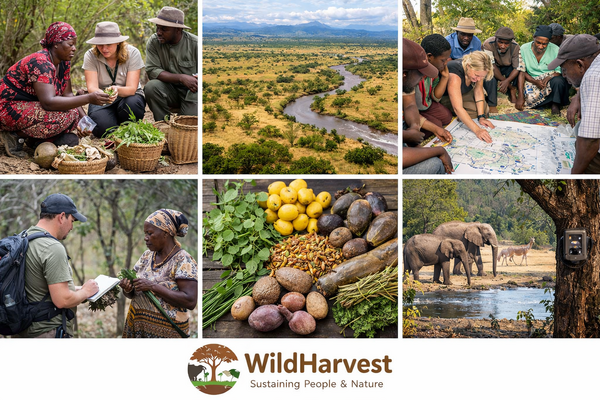
Project investigates the role of wild resource harvesting by Indigenous Peoples and Local Communities (IPLC) in southern Africa and how these practices can support biodiversity conservation and environmental justice. Focusing on two biodiverse regions, the Cape Floristic Region and the dry savanna landscapes around Hwange National Park and the Greater Limpopo Transfrontier Conservation Area, the project explores how traditional harvesting practices, knowledge systems, and governance structures have evolved and how they can contribute to sustainable resource management. The research highlights the importance of Indigenous ecological knowledge in maintaining ecosystems while supporting rural livelihoods.
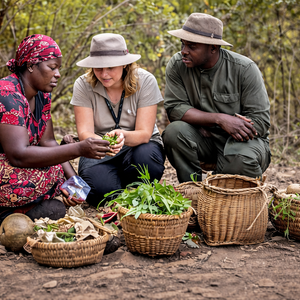
Using a transdisciplinary action-research approach, the project combines scientific methods with Indigenous knowledge through participatory tools such as community mapping, interviews, scenario planning, and collaborative monitoring of key species. By working closely with local harvesters, scientists, and policymakers, WildHarvest aims to co-develop fair and sustainable governance frameworks that recognise local stewardship of biodiversity. Ultimately, the project seeks to promote environmental, social, and ecological justice while strengthening the resilience of both ecosystems and communities dependent on wild resources.

Nelson Mandela University (NMU)

Centre National de la Recherche Scientifique (CNRS)
Swedish University of Agricultural Sciences (SLU)
Stockholm University (SU)
Lupane State University (LSU)

French National Research Agency (ANR)