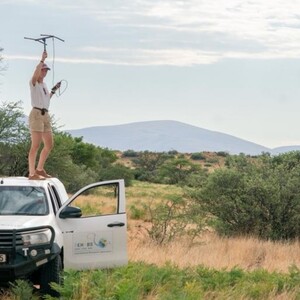
In Theme 2, we promote inter- and transdisciplinary work to explore the diverse forms of nature’s contribution to humans, including risks and challenges, and test the appropriate frameworks to equitably incorporate the diversity of worldviews and dependencies on ecosystems and the biosphere.
In the next few years, with ongoing projects, and with the growing expertise of the consortium on natural resource use in traditional and informal systems, and in disease ecology, we will strengthen our contribution to the field of climate change mitigation. This will be done through identifying the ecology and epidemiology of pathogens to answer the following questions:
1) how disease risks shape social-ecological system functioning (including public health and conservation issues), and how biodiversity mitigates such risks in a context of climate forcing; and,
2) how livelihoods can benefit from nature-based safety nets through sustainable natural resources in the face of drought-related reduced food production.
As we explore more deeply the contribution of nature to societies, more emphasis is placed on local and indigenous visions and value systems and ensuring that relational values are given adequate space in understanding the contribution of nature to human well-being. More projects will be developed in areas where a diversity of values persists, and where the relationship with the natural environment can bring new perspectives from a social and environmental justice point of view.