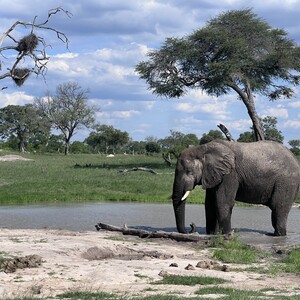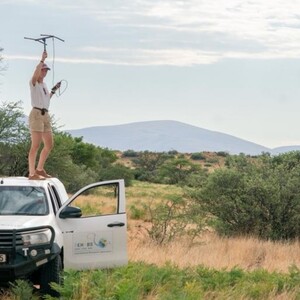
Theme 1 seeks to deepen our comprehension of ecosystem complexity. This exploration encompasses a wide array of elements, including human activities, socio-economic factors, wellbeing, ecosystem functions, species characteristics, population dynamics, coexistence with non-human species, and overall biodiversity. Addressing this theme requires a comprehensive approach that integrates multiple scientific methodologies, conservation efforts, policy frameworks, and ethical considerations, among other essential aspects.
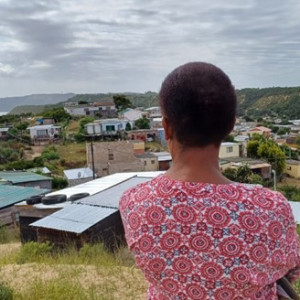
It will also address the adequacy and sustainability of current protected area and biodiversity management in face of environmental and societal changes. As human influence is central in the functioning of most ecosystems, understanding the future of biodiversity (broadly) and its associated roles in ecosystem functioning often requires social-ecological approaches in conservation and environment management. In particular, the values of indigenous and local communities underlying the relationship and “management” of nature must be part of the conservation rationale. However, the actual response of biodiversity at different levels (species, taxonomic or functional) is often marginal in social-ecological studies (Rissman & Gillon 2017), so the idea is to keep injecting social-ecological approaches in the study of nature conservation management, as well as understanding trait selection and adaptation, and community dynamics, in human-modified environments. As ecosystems are facing pressures, one of the objectives is also to understand adaptation and resilience, by identifying species and ecosystems that can withstand disturbances, fostering ecological connectivity and integrating climate adaptation strategies in conservation approaches.
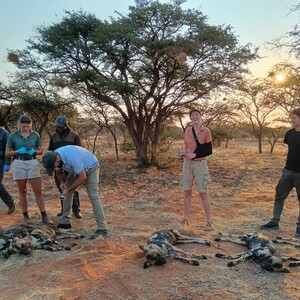
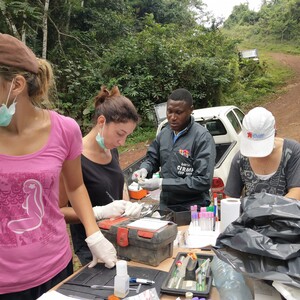
Part of the theme is dedicated to technological advancements, including remote sensing, DNA analysis, and artificial intelligence, which represent cutting-edge tools for the future. These technologies are instrumental in monitoring biodiversity, identifying endangered species, and devising innovative conservation strategies.
This theme is the most dominant in IRL REHABS’ recent research productivity, reflecting the higher resources available (human and project) for this in the last five years. Besides very focused ecological studies, the effect of management practices or constraints on biodiversity and ecosystem processes has also received considerable focus in this theme, which is logical with a major partnership with the Department of Conservation Science and Management of NMU on the George Campus, as well as the close collaboration with SANParks (as an associated institution to the IRL REHABS). It also translates the long-term involvement of research in social-ecological systems centred around protected areas.